



Stay informed with expert insights, practical guides, industry trends, and thought-provoking articles designed to help you grow and make confident decisions.
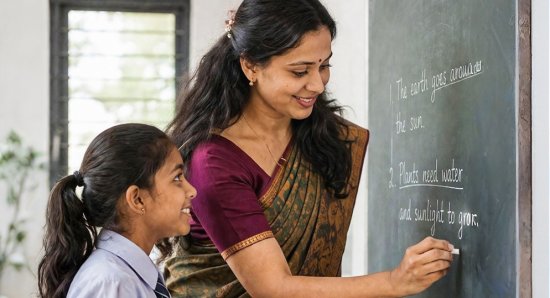
Early childhood is one of the most important stages of a child’s development. The experiences children have during their early years influence their language, social skills, confidence, behaviour and ability to learn. This is why trained preschool and nursery teachers are increasingly important in early education. For people interested in working with young children, diploma and certificate programmes in early childhood education can be a practical starting point. Unlike degree programmes such as B.Ed. or M.Ed., early childhood education courses generally focus more specifically on the needs of young children. Options can include Diploma in Early Childhood Education, Diploma in Preschool Education, D.Ed.-type teacher training programmes, Early Childhood Care and Education (ECCE), Montessori teaching courses and nursery teacher training courses. What Do Early Childhood Courses Teach? A good preschool training course goes beyond simply teaching children through games. Students learn about child development, classroom management, early learning methods, communication, storytelling, creative activities and age-appropriate teaching practices. ECCE programmes generally introduce learners to subjects such as child development, children’s needs, play-based learning, early learning curriculum, methods of child study and care during the early years. Montessori teaching courses take a more specialised approach. They introduce learners to Montessori principles, activity-based learning, classroom organisation and ways of encouraging independent learning. Nursery teacher training courses, meanwhile, generally focus on practical skills required to manage and teach children at the preschool and nursery levels. Can You Complete These Courses Online? Many institutions offer online or distance teaching courses in areas such as Montessori education, nursery teacher training and early childhood care and education. Learners may be able to access study materials, recorded classes, assignments and assessments through digital platforms. However, students should check the exact structure of a programme before enrolling. “Online” does not automatically mean that every part of a teacher-training qualification can be completed remotely. Some programmes may include practical training, contact sessions or internship requirements. Students should therefore verify the awarding institution, programme recognition, duration, eligibility, assessment pattern and practical requirements before paying fees. Who Can Choose an Online Early Childhood Course? These courses can be useful for several groups. Beginners who want to enter preschool education can use them to build foundational knowledge. Parents and caregivers can also learn structured approaches to children’s development. Existing nursery teachers can pursue additional training to strengthen their professional skills. Distance teaching courses can be particularly convenient for learners who cannot attend regular classes every day. Working professionals, homemakers and people living away from major educational centres may find flexible learning more manageable. Career Opportunities After the Course Depending on the qualification and its recognition, learners may explore opportunities in preschools, nursery schools, daycare centres, early learning centres and child-care settings. Some may also use Montessori or ECCE training to develop specialised skills for early-years education. The key is to choose the course according to your career objective. If you want specialised preschool skills, an ECCE, Montessori or nursery teaching programme may be suitable. If you are looking for a regulated teacher-education qualification, you must check the applicable recognition and eligibility requirements rather than choosing a course simply because it is advertised as “online.” A good early childhood course should not only give you a certificate. It should help you understand how young children learn, communicate and develop—and give you practical skills to support them effectively.

+91 98460 44118, +91 9846044119
+91 98460 66113, +91 98460 66114

info@universalteachers.org
documents@universalteachers.org
admissions@universalteachers.org